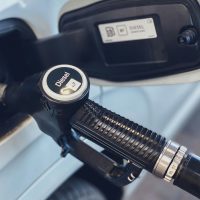
As the UK’s leading same day courier service, we keep a close eye on the cost of fuel, and the war in Iran has seen prices rocket. Fuel is the single biggest cost in any delivery, accounting for between 25% and 50% of the fee. With diesel prices having gone from £1.33 a litre in late February to £1.92 today (Source, RAC) we’re seeing costs soar. Thanks to a bit of planning, we’re managing to keep our prices competitive, but what does the war in Iran mean for same day courier services in the short and medium term? The Same Day People’s Managing Director, Jason Reid, looks at what the future holds and sees calmer times and fundamental changes ahead.
We hope this article will be of interest. If you’d like to book a same day courier, then call us on 0333 772 6068 or book a same day delivery. We’ll arrange a collection within the hour and deliver your consignment on the same day.
The Short-Term
The war in Iran was meant to be short. Following his success in Venezuela, Trump thought a hard tactical strike would be enough to see regime change in Iran. Protests had been raging there since the 28th of December 2025, so it seemed a fresh revolution was on already on the cards. That hasn’t happened. On the 28th of February, he said the war would proceed “as long as necessary to achieve our objective”. He then declared victory on the 5th of April, and yet here we are on the 15th with the Strait of Hormuz blockaded, and more talks are being sought. At best, we’re 2-3 weeks away from the conflict’s end.
The future remains uncertain, and that means the price of diesel will remain high. Even if peace is declared, it will take a while for things to get back to normal. Kpler, the trade intelligence firm, has reported that in April, oil exports through the Strait of Hormuz have fallen by 130,000 barrels per day compared to March. The majority of this is crude oil, so it even when this backlog gets shipped, it will need refining adding more delays. The Strait also carries 20% of the world’s natural gas supplies, between 10.5 and 11.4 billion cubic feet per day. Wholesale gas prices have soared by 60% since February, which will increase costs for refining oil and add more pressure to prices at the pumps.
The hope is that, as we saw with the war in Ukraine, oil prices will peak and quickly drop. When Russia attacked in 2022, oil prices surged to $139 a barrel, only to fall back to $82 by December as other sources were made available. If events are to follow the same path, then we should see diesel prices getting back to normal by Christmas.
The Medium-Term
Things will stabilise. The war will end, and diesel and gas prices will fall. What the war has revealed, though, is the UK’s dependency on foreign energy. Roughly 46% of UK energy was imported last year, the bulk of it being oil.
Yesterday, the IMF forecast that the UK would be hit hardest hit economically by the war. In its latest World Economic Outlook, the IMF cut its estimate for UK growth this year to 0.8%, from the 1.3% prediction made in January. Politicians are debating exploiting North Sea oil, wind and other renewables to prevent this sort of thing happening again.
Personally, I think this will be a turning point, and not just in terms renewed exploration in the North Sea. The war’s been a wakeup call. A reminder of how the UK isn’t immune to the effects of events around the globe.
Electric Vans For Couriers?
I can see more couriers looking to move to electric vans. While some companies, such as Royal Mail and Amazon, have started transitioning to battery electric vehicles (BEV), most couriers haven’t. Right now, there are around 110,000 battery electric vehicle (BEV) vans in the UK, according to ZapMap, which is just 2.2% of the total. Issues around range and a lack of fast charging points outside urban areas have held back adoption. Cost is another massive problem. For example, an electric Ford Transit Custom costs up to £14,000 more than a diesel, with prices starting at £46k–£51k+ VAT.
Electric vans are significantly cheaper to run than diesel vans, though. Electricity costs often 50–70% less than diesel, particularly when charging is done at home or overnight. BEV also offer a 30–50% reduction in maintenance and lower taxes. High-mileage couriers can see fuel savings of £1,200–£1,600 per year, so on fuel alone they will repay the extra cost over the van’s life. The government is also offering Plug-in Van Grant,which provides up to £5,000 off the price of eligible electric vans until at least 2027. And prices of BEVs are falling. As demand grows, technology improves, and with manufacturers like Dacia pricing its Spring Cargo at under £15,000, it’s easy to see more of them hitting our roads.
This table summarises the benefits of BEV vans for couriers:
| Category | Electric Van ⚡ | Diesel Van ⛽ |
| Purchase price | ❌ Higher upfront (£15k–£25k) | ✅ Lower upfront |
| Fuel / energy cost | ✅ Much cheaper (≈3p–8p per mile at home) | ❌ Expensive (≈16p–22p per mile) |
| Annual road tax (VED) | ✅ £0 (currently exempt) | ❌ ~£340/year |
| Maintenance & servicing | ✅ Cheaper (fewer moving parts, no oil, less brake wear) | ❌ More expensive (engine wear, more parts) |
| Insurance | ❌ Often higher | ✅ Usually cheaper |
| Range | ❌ Lower (150–250 miles typical) | ✅ Higher (400–600 miles) |
| Refuelling / charging time | ❌ Slower (30–90 mins fast charge) | ✅ Fast (5–10 mins fill-up) |
| Clean Air Zones / ULEZ | ✅ Exempt from charges | ❌ Charges if non-compliant (£12.50+/day) |
| Running cost over time | ✅ Lower overall | ❌ Higher long-term costs |
| Environmental impact | ✅ Zero tailpipe emissions | ❌ CO₂ + NOx emissions |
| Government incentives | ✅ Grants, tax benefits available | ❌ Very limited |
| Best use case | Urban, fixed routes, high mileage | Long-distance, rural, unpredictable routes |
For couriers, the benefits of less maintenance are huge. Vans are working vehicles, and the less time they spend off the road, the more a driver can earn. Electricity prices are also less volatile than diesel prices, and BEV van owners can get fixed tariffs so they’ll know what their fuel costs will be. Congestion charges and Ultra-Low Emission Zones are also set to become more common and expensive. London’s ULEZ charges van owners £12.50 on top of the £18 Congestion Charge. Other cities, including Birmingham, Bath, and Portsmouth, have charges, and more are on the way, adding further benefits to BEV as they are either exempt or face lower fees.
What The War In Iran Means For Same Day Couriers?
Short-term pain and long-term gain. Costs will rise in the next few months, but they’ll come down again and we’ll see same day courier services get cheaper and greener in the coming years. That’s my hope, anyway.
Get A Same Day Courier
If you’d like to book a same day courier, then call us on 0333 772 6068 or book a same day delivery. We’ll arrange a collection within the hour and deliver your consignment that day.